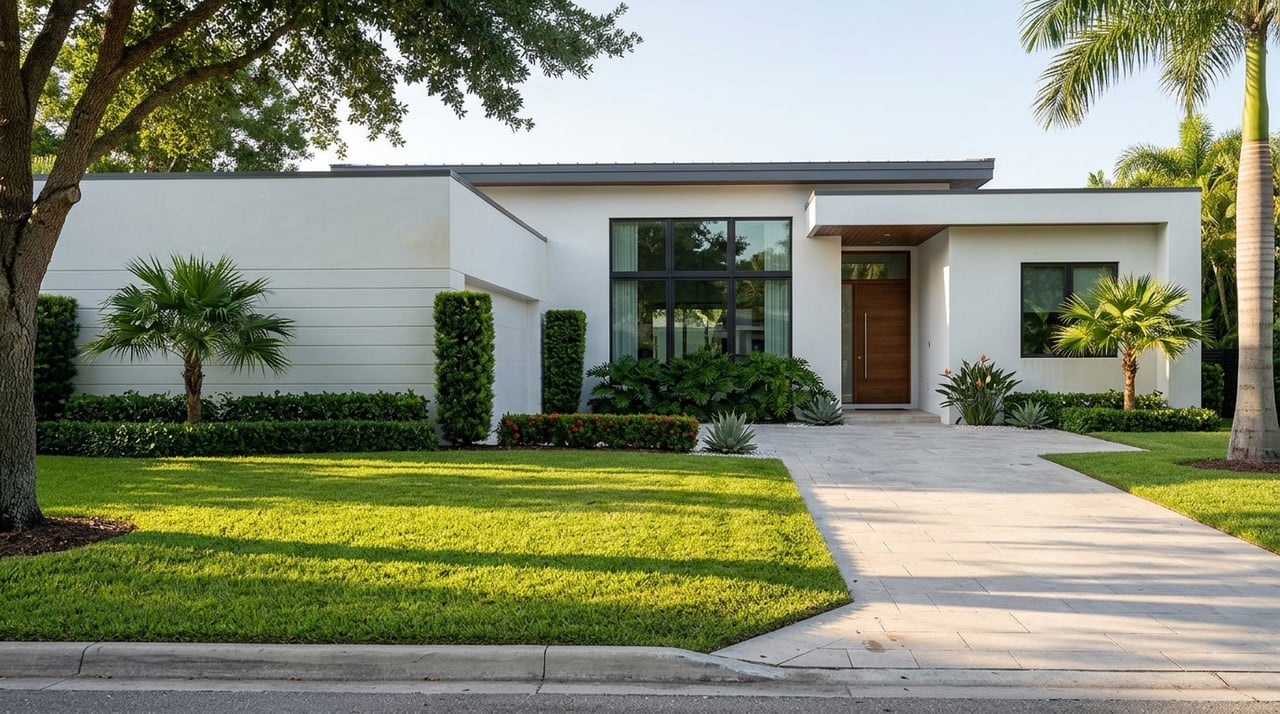
East Versus West Delray Beach Homes Explained
June 25, 2026
June 25, 2026
Trying to choose between east and west Delray Beach? You are not alone. Many buyers love Delray’s energy but get stuck on one big question: do you want the beach-and-downtown rhythm of the east side or the more suburban feel of the west side? This guide breaks down the real differences so you can compare lifestyle, home styles, access, and day-to-day tradeoffs with more confidence. Let’s dive in.
In Delray Beach, the east versus west conversation usually centers on I-95. According to the city’s housing and planning documents, neighborhoods closer to downtown developed earlier and tend to have a wider mix of housing types and lot sizes.
West of I-95 developed later and is more closely associated with suburban-style subdivisions, many with mostly single-family detached homes. In practical terms, that means the split is not just about geography. It often affects the age of homes, neighborhood layout, and your daily routine.
East Delray is closely tied to downtown and the beach. The city describes East Atlantic as a walkable, compact shopping and entertainment district, and the downtown area is designed to preserve cultural and historic character while supporting activity and growth.
If you picture being near restaurants, shops, local events, and public beach access, this side of town may feel like a natural fit. It tends to attract buyers who want convenience and a more active, close-in lifestyle.
Delray Beach maintains 1.5 miles of public beach, and it is guarded year-round. Public beach entrances include amenities such as showers and accessibility features, which adds practical value if regular beach time matters to you.
Getting around downtown can also be easier than many buyers expect. The city’s Freebee on-demand ride service covers most locations east of I-95 to A1A, from Gulfstream Boulevard to SW 10th Street, which can be helpful if you want to enjoy downtown without always using your car.
Parking is available in garages, surface lots, and on-street spaces. That said, parking is still something to plan around, especially in busier downtown areas, so east-side convenience often comes with a more managed parking experience.
One of east Delray’s biggest draws is its older residential fabric. The city notes that some of the most historically significant housing areas are here, including the Marina Historic District and Nassau Park.
If you love homes with character, mature street patterns, and proximity to long-established parts of town, east Delray may check a lot of boxes. At the same time, older homes can come with different maintenance and remodeling considerations than newer suburban properties.
If you are considering a property in a designated historic district or on the Local Register, exterior changes may face more review. The city’s Historic Preservation Board reviews certain requests, which can affect renovation timelines and design flexibility.
That does not mean historic ownership is a negative. It simply means you should go in with clear expectations about what can be changed, how approvals work, and whether preserving architectural character aligns with your goals.
West Delray usually appeals to buyers who want more of a suburban setup. The city’s housing element points to later-built planned developments and subdivision-style neighborhoods west of I-95, including places such as Bexley Park, Sabal Lakes, and The Colony.
If your priority is a neighborhood layout that feels newer or more spread out, west Delray may be the better match. This side of town often aligns with buyers who want more elbow room and a quieter daily rhythm than the downtown core.
Because much of west Delray developed later, you are more likely to see neighborhood patterns associated with suburban growth rather than the older street grid closer to downtown. That can influence everything from lot layout to traffic flow to how homes relate to community amenities.
For some buyers, that structure feels easier and more predictable. For others, it may feel less connected to the historic heart of Delray. The right answer depends on how you want to live day to day.
West Delray stands out for recreation. West Delray Regional Park spans 308.99 acres and includes bike paths, kayaking access, disc golf, equestrian trails, a mountain bike trail, and radio-controlled aircraft and car facilities.
Morikami Park adds another 183.71 acres of gardens and green space. Wakodahatchee Wetlands offers a free public 50-acre site with a three-quarter-mile boardwalk and more than 178 identified bird species, giving west-side buyers access to a strong mix of outdoor experiences.
Golf is also part of the west-side identity. The city is redeveloping the Delray Beach Golf Club on a site of about 150 acres along Atlantic Avenue just west of I-95, reinforcing that golf-oriented presence.
The easiest way to compare east and west Delray is to think about how you want your week to feel. One side is not better than the other across the board. It is about fit.
East Delray tends to suit buyers who want walkability, beach access, downtown convenience, and historic character. West Delray tends to suit buyers who want more space, stronger access to large parks and golf, and a more suburban pace.
Lifestyle matters, but your home search should also include a few practical comparisons. These details can shape your ownership experience just as much as location.
If you commute beyond Delray Beach, test the route from each neighborhood instead of making assumptions. Delray Beach Station is located at 345 S Congress Avenue, just off I-95 exit 52B, and offers free parking plus Palm Tran connections.
That means some east-side locations may still work well for regional travel, and some west-side locations may be less direct than expected. It is smart to compare actual drive times to I-95 and Congress Avenue before narrowing your search.
Flood risk deserves careful attention in Delray Beach. The city states that its coastal geography makes it vulnerable to tidal flooding, storm surge, heavy rainfall, and sea-level rise.
The city advises buyers to review the FEMA Flood Map Service Center, understand base flood elevation, and consider flood insurance even outside high-risk zones. It also notes that standard homeowners insurance does not cover flood damage, so this should be part of your budget conversation early on.
Home age and neighborhood rules can affect what you can do after closing. East-side homes are more likely to involve historic districts, older lot patterns, and preservation review, while west-side homes are more likely to reflect later suburban development.
That means your planning questions may differ depending on where you buy. On the east side, you may focus more on architectural character and review requirements. On the west side, you may spend more time reviewing subdivision or community rules and how the layout fits your needs.
If you are still torn, focus on your routine rather than just the listing photos. Ask yourself where you want to spend your weekends, how often you want beach or downtown access, how much space you want around you, and whether you prefer older character or later-built neighborhood patterns.
It also helps to think a few years ahead. If your needs may change, the best choice is often the one that supports not only how you want to live now, but also how you expect to live after the move settles in.
A calm, informed home search usually leads to better decisions. When you compare east and west Delray through both lifestyle and property details, the right fit becomes much easier to see.
If you want help narrowing down Delray Beach neighborhoods, comparing homes, or making sense of tradeoffs without pressure, Jason Jardine is here to guide you with clear, personal support.
Stay up to date on the latest real estate trends.
Partner with a boutique brokerage that values sincerity, accessibility, and treating your goals as our own.